




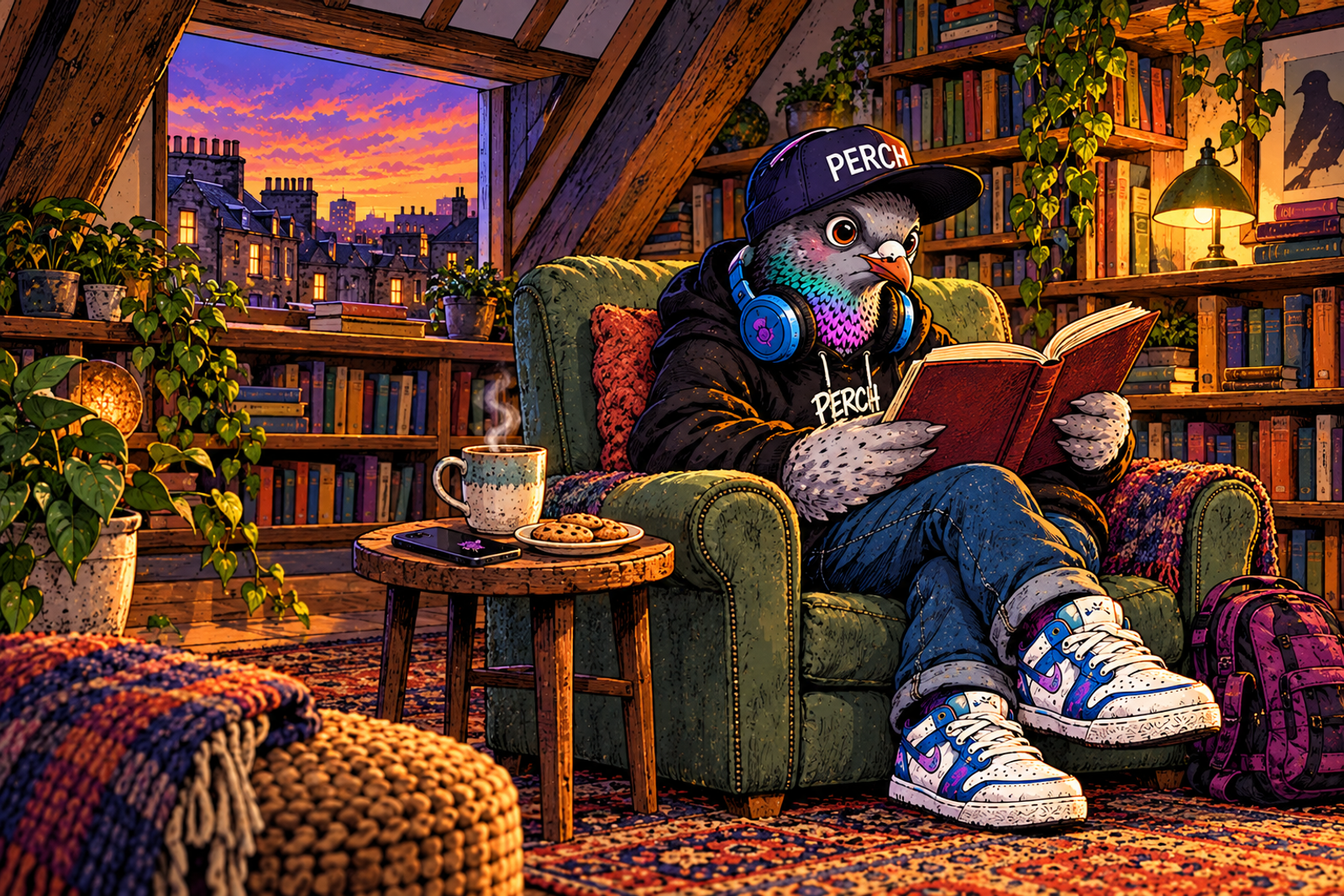
My phone has developed strong opinions about my reading habits. Apparently I need a fantasy series, three emotionally devastating novels and a fictional boyfriend whose behaviour would warrant a serious conversation in any other setting.
People film themselves crying over endings. They arrange shelves by colour, which must make finding a particular author an interesting afternoon. Someone describes a book as life changing, and before I have established which part of their life required changing, another recommendation arrives.
Watching all this from a Glasgow awning, I find the contradiction rather pleasing. A device capable of interrupting your concentration every few seconds is recommending an activity that requires you to concentrate for hours.
BookTok, the reading community on TikTok, has made that contradiction into a culture. But the part that interests me comes after the video, when somebody buys or borrows the book and discovers they would quite like to talk about it.
NielsenIQ’s research suggests this belongs to a wider change. Its consumer survey found growing book discovery through social media and video, alongside reading groups and recommendations from friends and family. The conversation is moving through several places, rather than living entirely inside an app.
That matters because finding people can be harder than finding things to watch.
A phone offers an endless supply of company at a distance. There is always somebody talking, reacting or explaining why everybody else is wrong. Yet turning that into an evening with actual people requires another step. You need somewhere to go and a reason to turn up.
A book provides a remarkably useful reason.
Walking into a room of strangers and being expected to become interesting on demand is a considerable ask. Walking in knowing everyone has read the same story gives you somewhere to begin. You can talk about the character who annoyed you, the decision you could not understand or the ending that seemed to have been written while the author’s taxi was waiting.
You can reveal something about yourself through what you make of somebody else.
There will, inevitably, be someone who has annotated every page and someone who has reached chapter four and is hoping nobody asks anything specific. That sounds reassuringly human to me. A gathering should have room for enthusiasm without becoming an examination.
In Milngavie, near Glasgow, there is a lovely example of how those connections can grow into something tangible. Elaine Sinclair started the Bonnie Wee Book Club in 2021, then opened Daydreams Bookshop in September 2024. Her experience with the club helped inspire the shop, which she envisaged as a welcoming place for reading, events and conversation.
The people came together around books before there was a shop. Then the shop gave that community a physical home.
It is tempting to turn stories like this into a grand declaration that books are back and the high street has been saved. The figures require more restraint. NielsenIQ recorded a small decline in overall UK print book spending in 2025, even as adult fiction grew. Enthusiasm for particular books does not remove the pressures facing booksellers.
Still, there is something worth paying attention to here. A bookshop can offer a recommendation from someone who has listened to you. A reading group can give you a date in the calendar and people who might notice whether you come back.
For a city with Glasgow’s appetite for conversation, that seems a promising use of a room.
It also widens the choice of what an evening can look like. There is plenty to enjoy about a pub, but sometimes you want to hear a whole sentence without leaning across a table. Sometimes you want company without drinking. Sometimes it helps to have an activity doing the awkward introductory work.
None of this should depend on being able to afford a new hardback every month. Libraries, borrowed copies, book swaps and affordable groups belong in the picture. So do venues people can actually get into. A welcoming invitation means little if the price or the stairs keep you outside.
The appeal of a book club is easy to understand when you think about what happens around the book. People return. They learn each other’s names. A disagreement about a chapter becomes a conversation that carries on after the meeting.
The phone may have supplied the first recommendation. The story gives them something to discuss. What they build between themselves is harder to measure in views.
I still expect my feed to recommend another twelve books before bedtime. Several will apparently destroy me emotionally, which feels ambitious for a Tuesday.
But if one of them gives someone the confidence to walk into a room, pull up a chair and join a conversation, I can forgive the dramatic marketing.
By then, the phone has done something useful. It can spend the rest of the evening in a pocket.